Radicalized by Cory Doctorow

A collection of four stories about technology, capitalism, and what happens when systems fail people completely.
Book Summary
Radicalized is a collection of four interconnected stories published in 2019. Each story shows a different way that capitalism - companies having all the power, people having none - makes people's lives hard.
The book feels like it's talking about today. It's not a story where heroes save the day. Instead, it shows what happens when systems don't work and people have nowhere left to turn.
Main Topics in the Stories
This book covers a range of issues: technological control, institutional racism, healthcare as profit, and what drives ordinary people to radical action. Doctorow uses these stories as mirrors to show how capitalism affects every part of modern life.

Technology Control
Smart devices that don't work without corporate permission

Healthcare Crisis
Insurance companies choosing profit over lives

Systemic Injustice
Institutions that protect power instead of people
The 3 Stories
1. Unauthorized Bread
A refugee woman named Salima lives in subsidized housing. Her appliances like fridge, toaster, and more are "smart" but they don't actually work unless they connect to the company's servers. She can't even make toast without the corporation's permission.
The problem: She discovers how to hack her devices to work, but now the building monitors her for doing so. She has freedom but lives in fear.
The way Salima found out that Boulangism had gone bankrupt: her toaster wouldn't accept her bread. She held the slice in front of it and waited for the screen to show her a thumbs-up emoji, but instead, it showed her the head-scratching face and made a soft brrt.
— Doctorow, Radicalized, "Unauthorized Bread"2. Model Minority
A superhero watches a cop brutally beat a Black man. Even with superpowers, the superhero can't get justice. The cop gets promoted instead of punished. The system protects violent people in power and punishes people who speak up.
The problem: Racism isn't just individual bad people. It's built into how institutions work. Being "successful" doesn't save you from the system.
Bianchi isn't any rotten apple, he's a prototype, Mr. Eagle, the very model of a modern major bushwhacker, and you can tell because every time he did it, he got promoted. He's how things are supposed to work.
— Doctorow, Radicalized, "Model Minority"3. Radicalized
A regular middle-class man's wife has cancer. The insurance company refuses to pay for her treatment. She will die, not because medicine can't save her, but because treatment isn't profitable.
The problem: After exhausting every legal option, desperate people online start planning violent attacks on insurance companies. They see no other way out.
Their insurer told Lacey that it was time for her to die now. If she wanted chemo and radiation and whatever, they'd pay it (reluctantly, and with great bureaucratic intransigence), but "experimental" therapies were not covered.
— Doctorow, Radicalized, "Radicalized"My Analysis
A spoken walkthrough of the key ideas — capitalism, power, and radicalization
Big Idea 1: Alienation - Loss of Control
In real life, when you own something, you should control it. But in Salima's case, she physically owns her appliances but can't use them without the company's permission.
Doctorow shows that capitalism sneakily controls your life through technology. You think you bought a toaster, but really the company bought your obedience.
This was a new kind of toaster, a toaster that took orders, rather than giving them. A toaster that would give her enough rope to hang herself, let her toast a lithium battery or a can of hairspray, or anything else she wanted to toast: unauthorized bread.
— Doctorow, Radicalized, "Unauthorized Bread"Big Idea 2: Institutions Protect Power - Not People
The superhero in "Model Minority" can't get justice because the police system isn't broken-it's working exactly as designed. It protects cops and punishes people who challenge authority.
This is key: Racism isn't just individual racist people. It's built into how institutions work. Laws, police, courts-they're designed to keep power in certain hands.
Your Sergeant Bianchi is a grade-A sadistic son-of-a-bitch, and I promise you NYPD knew about it. But that motherfucker was still driving around with his gun and badge, with a promotion... Bianchi isn't any rotten apple, he's a prototype, Mr. Eagle... and you can tell because every time he did it, he got promoted. He's how things are supposed to work.
— Doctorow, Radicalized, "Model Minority"- The violent cop gets promoted
- Oversight procedures do nothing
- The system protects its own
- This prevents people from uniting against injustice
Big Idea 3: Profit is Valued More Than Life
In "Radicalized," the insurance company literally calculates whether Joe's wife should die. If treating her costs more than paying a death benefit, she dies. It's that simple.
Joe was furious. Joe couldn't be angry at cancer, but he could be coldly, murderously enraged at an insurance company and the people who worked there. He worked for a blue-chip, Fortune 100 company, and he'd bought the top tier of insurance... and some faceless, evil fucker had just decided that they wouldn't even try to save his wife from a painful, grotesque death.
— Doctorow, Radicalized, "Radicalized"Big Idea 4: When Everything Fails, People Radicalize
The people in Joe's online group aren't criminals or terrorists. They've tried:
- Appealing to the insurance company
- Going to court
- Contacting their representatives
- Trying every legal option
When everything fails, they start planning violence. Doctorow isn't saying this is good-he's saying this is what happens when systems completely fail people. Radicalization isn't random; it's a response to hopelessness.
Someone in that building made the decision to kill my little girl, and everyone else in that building went along with it. Not one of them is innocent, and not one of them is afraid. They're going to be afraid, after this. After today, every one of those people is going to spend the rest of their lives looking over their shoulders for a man like me.
— Doctorow, Radicalized, "Radicalized" (LisasDad1990's video manifesto)Why Should You Care?
Deeper Insight: Systems vs. Individuals
Most stories blame individuals: "That cop is racist" or "That CEO is evil." But Doctorow is saying something deeper: even good people can't escape bad systems.
A kind insurance company executive still has to make profitable decisions. A well-meaning tech founder still needs to control users. The system forces them to do harmful things.
Deeper Insight: This is Real
These aren't fantasy stories. Right now:
- Smart devices require subscription services to work
- Insurance companies deny life-saving treatments for profit
- Police systems protect officers more than victims
- People are desperate and radicalized
Doctorow isn't predicting the future. He's describing the present with more honesty than we usually hear.
About Cory Doctorow
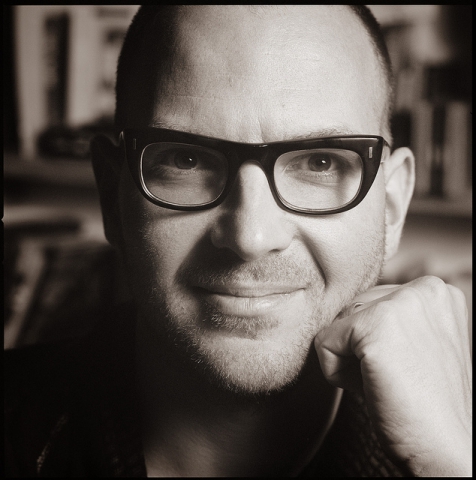
Cory Doctorow - born 1971
Canadian-American author & activist
What He Does:
- Writes science fiction about technology and power
- Fights for digital rights and privacy
- Runs Boing Boing, a famous blog about culture and tech
- Speaks publicly about corporate control
Why He Matters:
Doctorow uses fiction to show how technology and capitalism actually work. He doesn't write fantasy-he takes real systems and shows their logical conclusion. His books are warnings about where we're heading if we don't change things.
Other Works:
- Little Brother - About government surveillance
- For the Win - About labor in video games
- Walkaway - About post-capitalist futures
Sources
- Davis, Angela Y. Are Prisons Obsolete? Seven Stories Press, 2003.
- Doctorow, Cory. Radicalized. Tor Books, 2019.
- Robinson, Kim Stanley. Back cover endorsement. Radicalized, by Cory Doctorow, Tor Books, 2019.
- Weinberger, David. "Cory Doctorow on Why the Future Doesn't Have to Be Bleak." Wired, 6 May 2019.